
Heat-shrink tubing for cable protection and electrical insulation
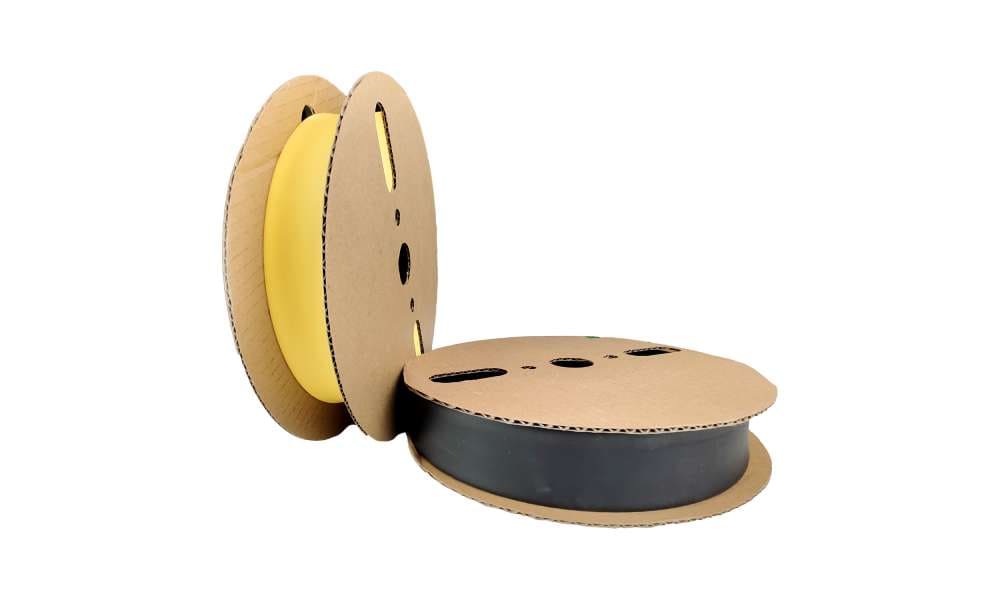
High-quality heat-shrink tubing significantly increases the safety and service life of your electrical installation. The controlled shrinking process creates a firm, durable sheath that reliably protects cables and provides electrical insulation. EMC-direct offers professional heat-shrink tubing in various sizes and styles—ideal for a wide range of projects. Discover our product range!
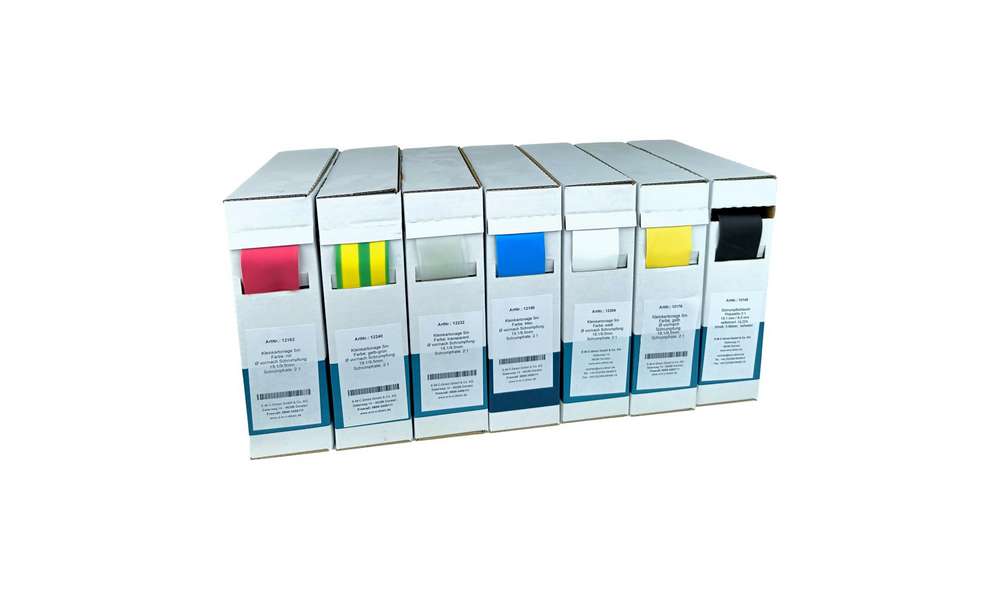
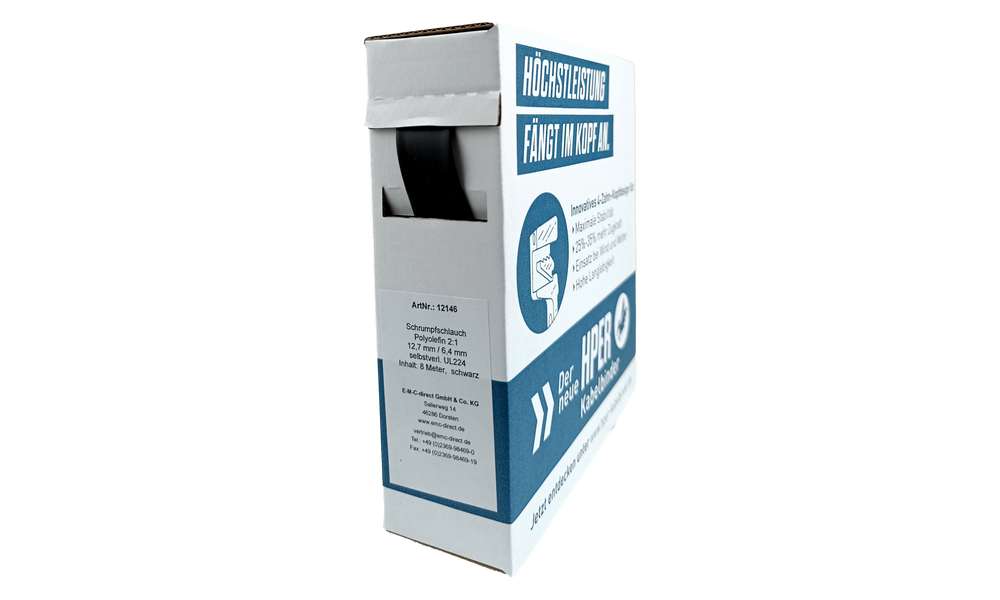
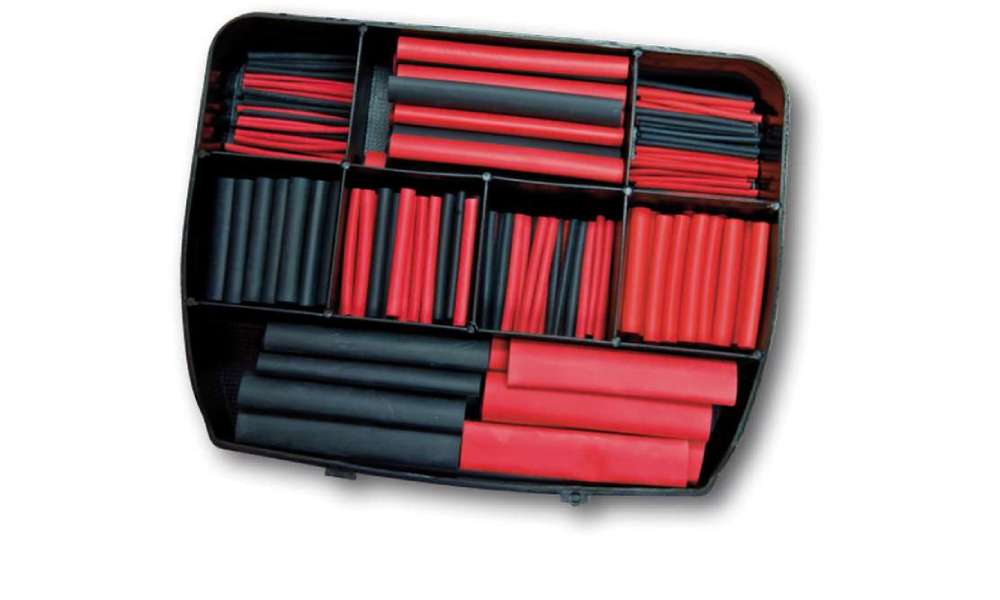
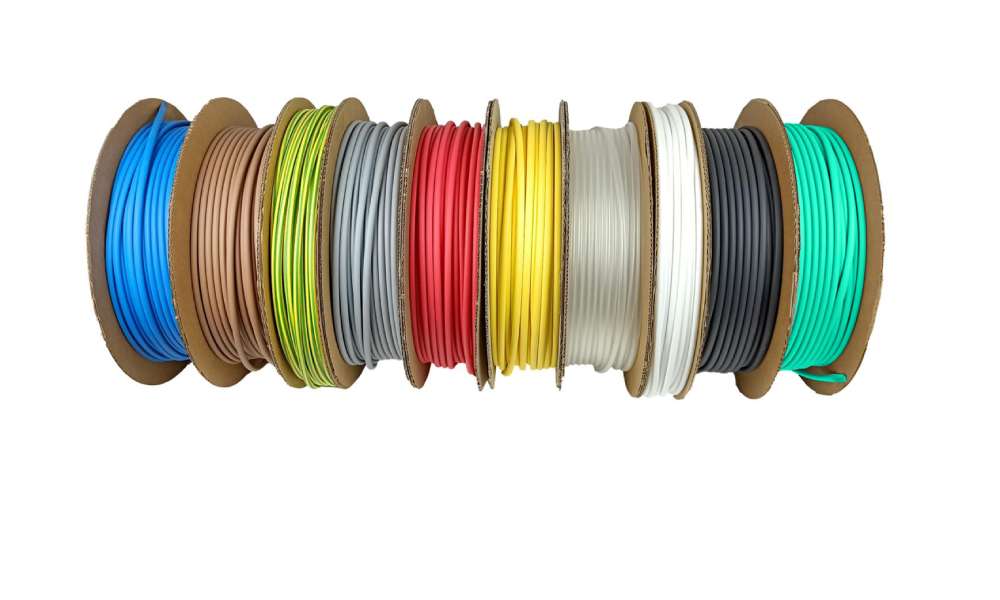
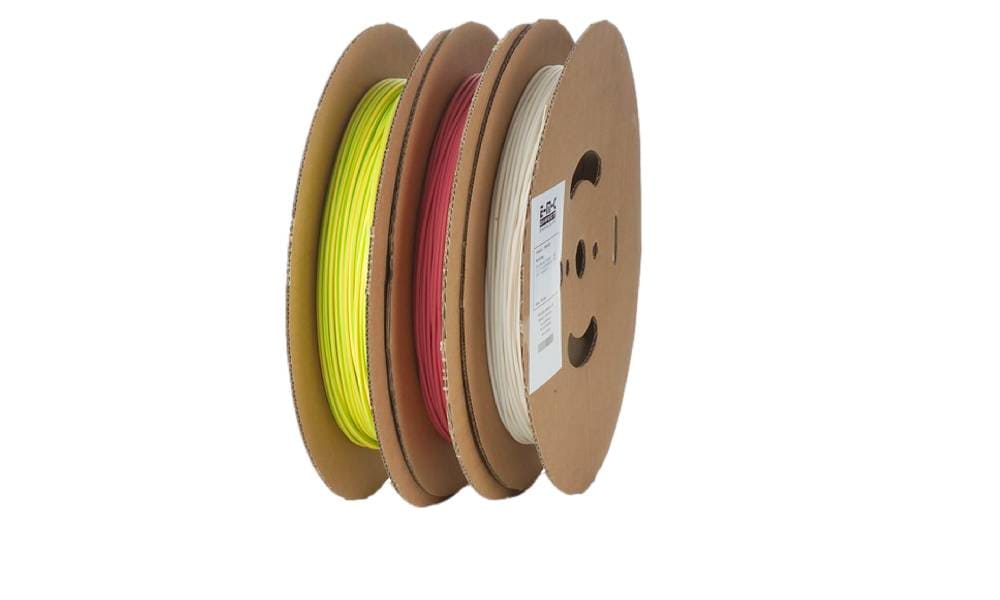
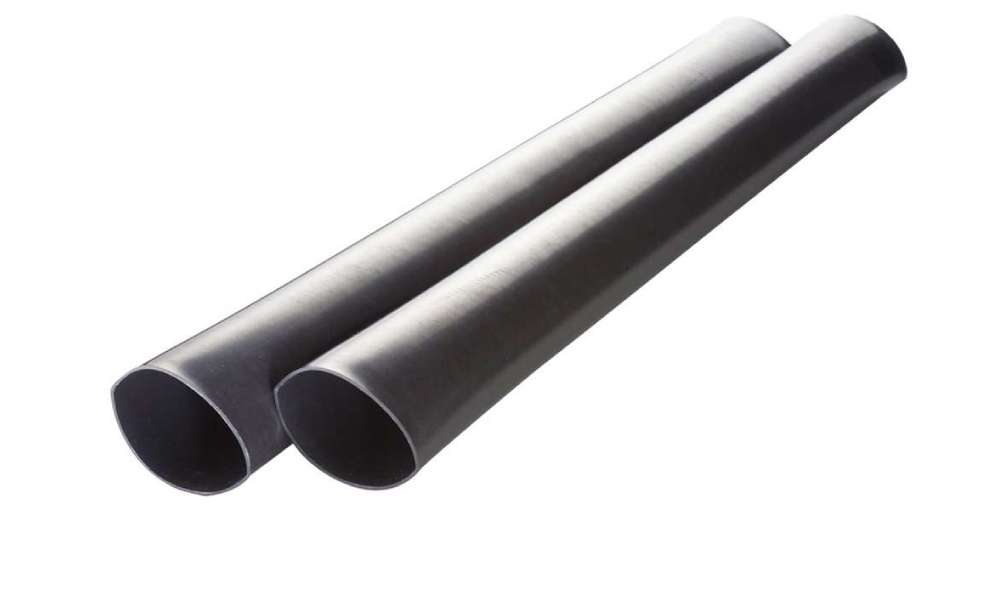
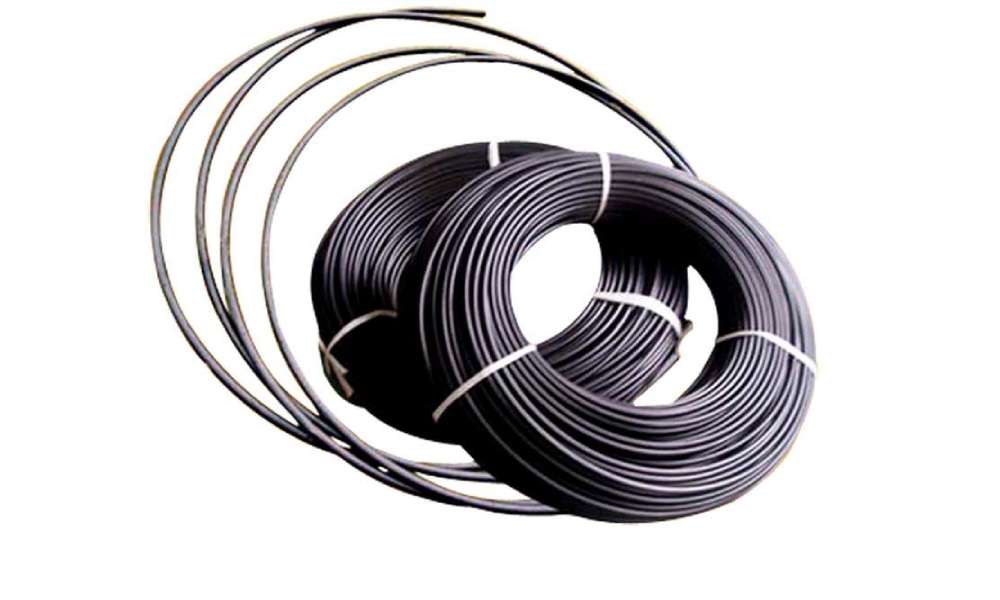
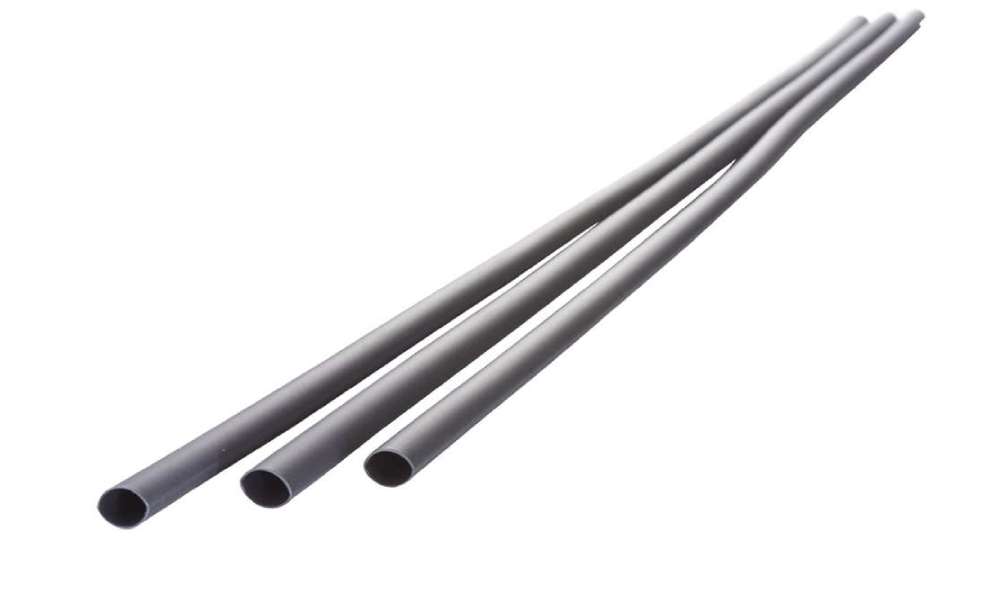
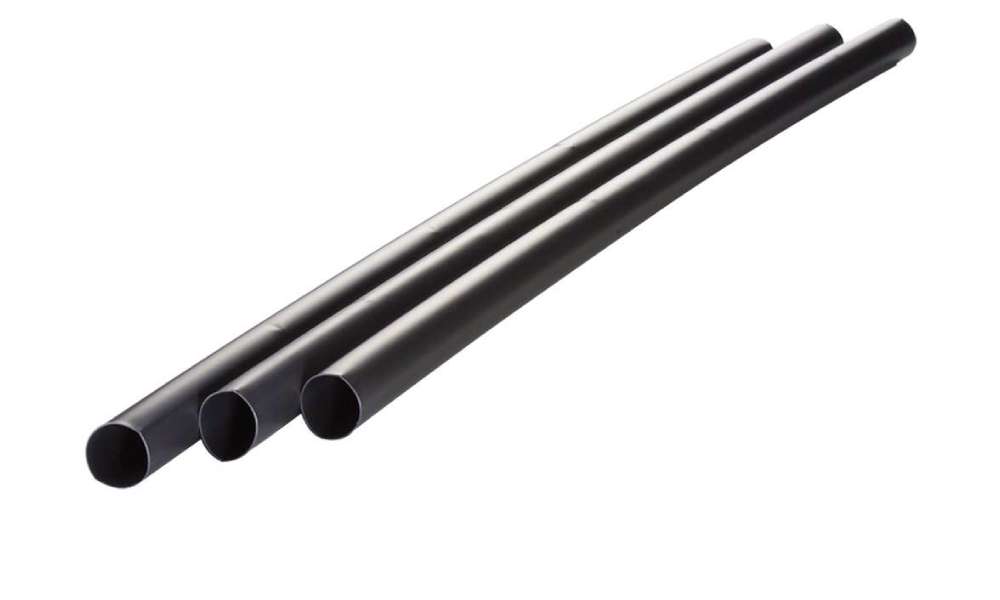
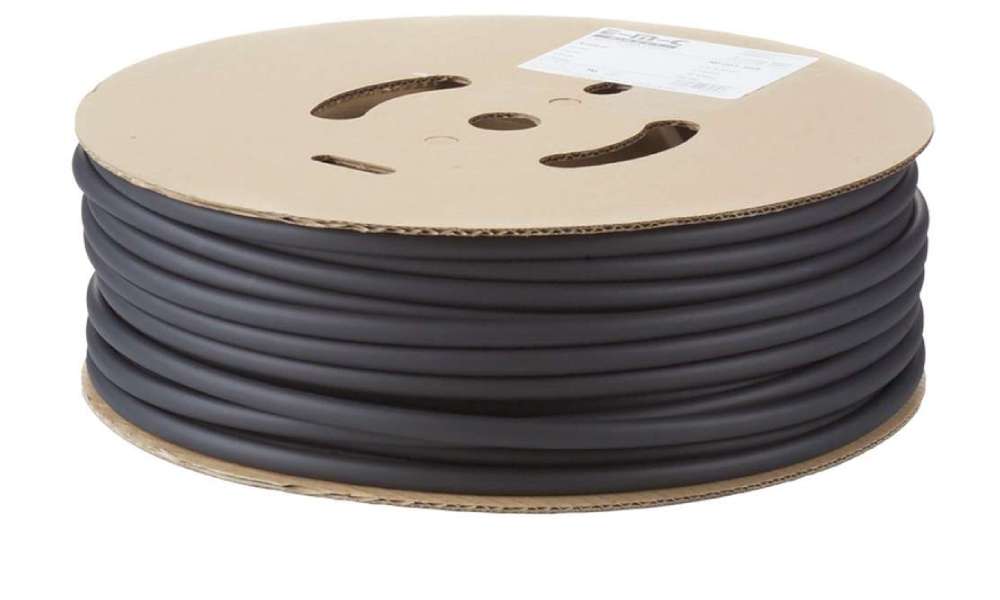
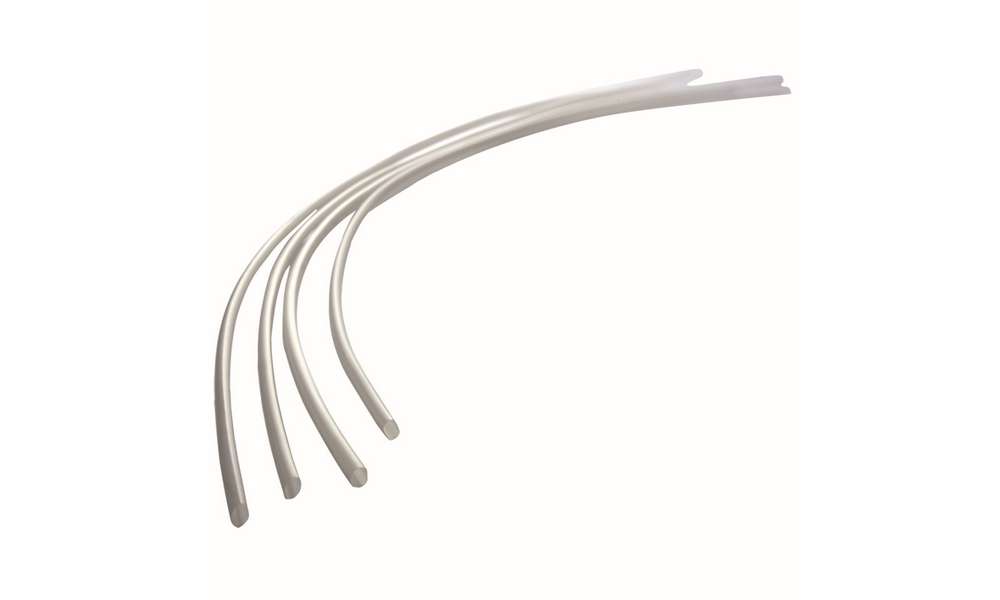
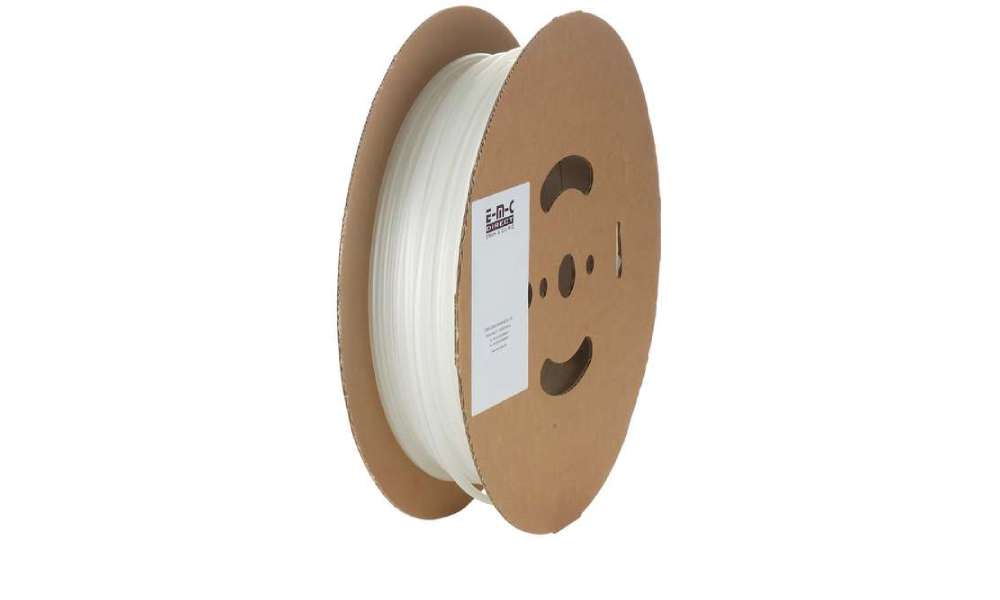
What is heat-shrink tubing, and how does it work?
Heat-shrink tubing is a flexible tube made of a thermoplastic material—usually polyolefin. Its unique property is that it shrinks when exposed to heat, forming a tight seal around the cable or connection.
It’s easy to use: You slide the heat-shrink tubing over the area you want to protect and then heat it, for example, with a heat gun. The heat causes the material to shrink, conforming precisely to the shape of the component underneath.
Are you a business customer and would like to order in bulk?
Then please contact our sales team directly!
Free consultation: +49 2369 9846915
Applications of Heat-Shrink Tubing
Heat-shrink tubing is used in many applications where cables need to be protected, insulated, or mechanically secured. It is one of the standard solutions in professional electrical installation.
-
Electrical Installation & Cable Protection: In electrical installations, heat-shrink tubing is primarily used for the electrical insulation of connection points. It reliably protects cables from short circuits, abrasion, and external influences, and ensures a clean, code-compliant installation.
-
Industry, Automotive & PV Systems: In industrial applications, heat-shrink tubing is frequently used in wiring harnesses and complex electrical systems. It is also used in photovoltaic systems to permanently protect cable connections from environmental influences.
-
Repair & Re-insulation: Another important application is the repair of existing cable connections. Solder joints or damaged insulation can be reliably re-insulated and mechanically reinforced with heat-shrink tubing.
Selection Guide for Our Heat-Shrink Tubing
Type |
Colors |
Heat Shrink Tube Temperature |
Operating Temperature |
Resistance |
Applications |
|---|---|---|---|---|---|
2:1 Thin-Wall Heat-Shrink Tubing Without Adhesive |
black, white, transparent, red, blue, green, yellow, green/yellow, brown, gray |
>100°C |
-55°C to +135°C |
Good general resistance |
Standard heat-shrink tubing for all electrical installation applications |
2:1 heat-shrink tubing, fast-shrinking |
Black, transparent |
from 65°C, fully cured at 95°C |
-55°C to +125°C |
Good general resistance |
for temperature-sensitive electronic components and materials |
2:1 heat-shrink tubing, high-temperature resistant |
black, transparent |
>120°C |
-55°C to +150°C |
High heat resistance and good overall resistance |
For protecting objects exposed to high heat |
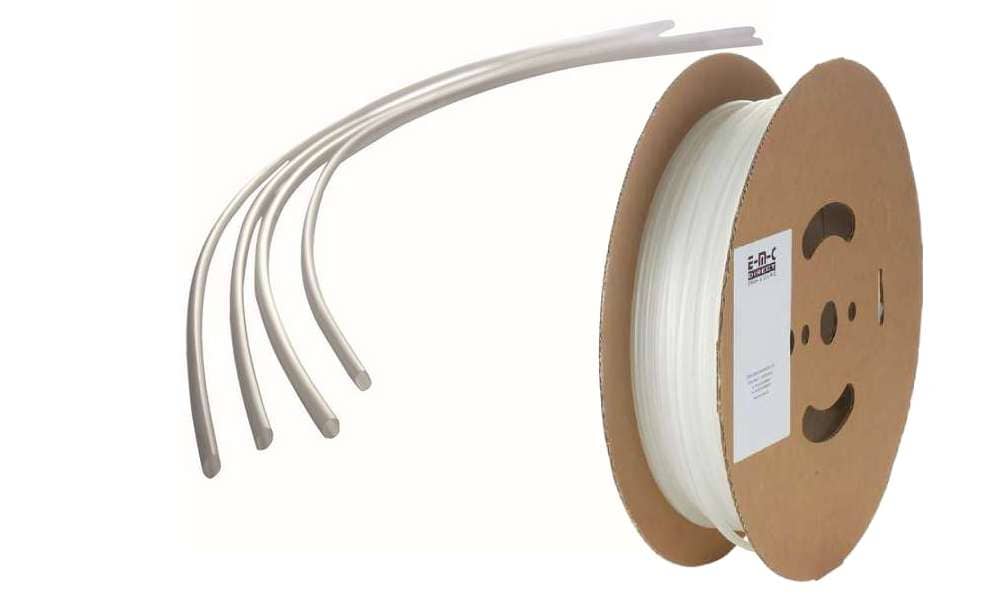
4:1 PTFE heat-shrink tubing, ultra-heat-resistant |
transparent |
>330°C |
-65°C to +260°C (up to +400°C for short periods) |
Extreme heat resistance and maximum chemical resistance as well as abrasion resistance |
for extreme electrical, chemical, and thermal environments |
2:1 heat-shrink tubing made of Kynar® e (PVDF) |
transparent |
>175°C |
-55°C to +175°C |
Extreme flame resistance and mechanical protection, high chemical resistance |
For protecting objects exposed to high heat and mechanical stress |
How to Choose the Right Size of Heat-Shrink Tubing
To achieve the best results, the 80:20 rule should be followed. The heat-shrink tubing should be shrunk by at least 20% but no more than 80%. As a general rule, heat-shrink tubing should be selected so that it is only slightly larger than the objects to be protected. If the heat-shrink tubing needs to be pushed around corners, allow for the necessary air space.
Flat dimension or diameter?
Note the difference in size specifications between the flat dimension and the diameter of the hose, as the flat dimension is larger than the diameter.
The formulas for calculation are:
- Diameter to flat width: Diameter * π / 2 = Flat width
- Flat dimension to diameter: Flat dimension * 2 / π = Diameter
Example 2:1 25.4 mm / 12.7 mm:
- Diameter to flat width: 25.4 mm * π / 2 = 39.90 mm
- Flat dimension to diameter: 39.90 mm * 2 / π = 25.04 mm
Are you a business customer looking to order in bulk?
Then contact our sales team directly!
Free consultation: +49 2369 9846915
What to Look for Before Buying Heat-Shrink Tubing
Before you decide on a specific type of heat-shrink tubing, you should determine what it will be used for.
- Will the heat-shrink tubing come into contact with water, alkalis, or acids?
- Are the cables to be protected exposed to mechanical stress?
- Will the heat-shrink tubing be installed underground, for example?
- Will the heat-shrink tubing be used for insulation or for marking?
- To what diameter should it be shrunk?
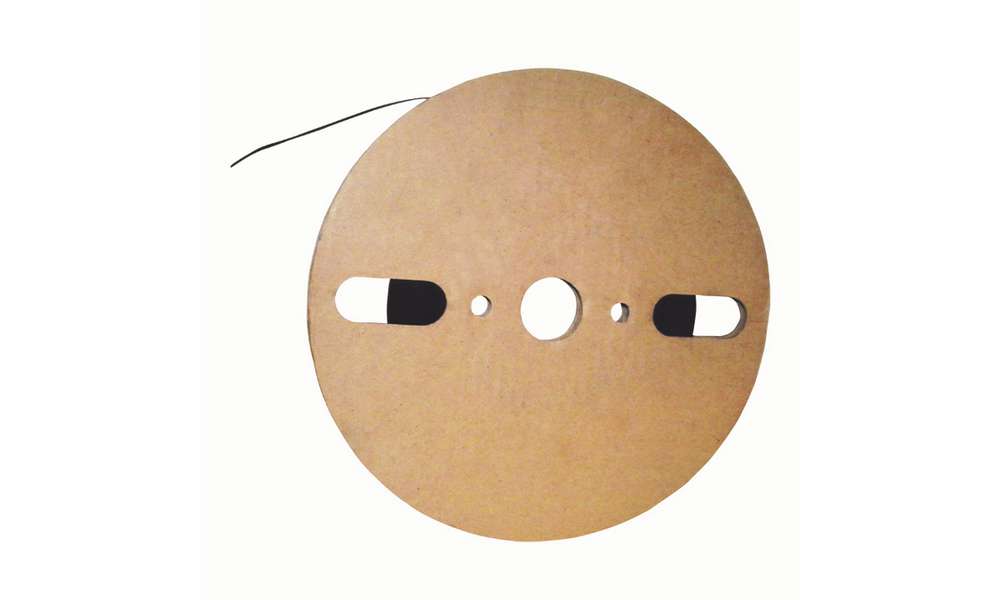
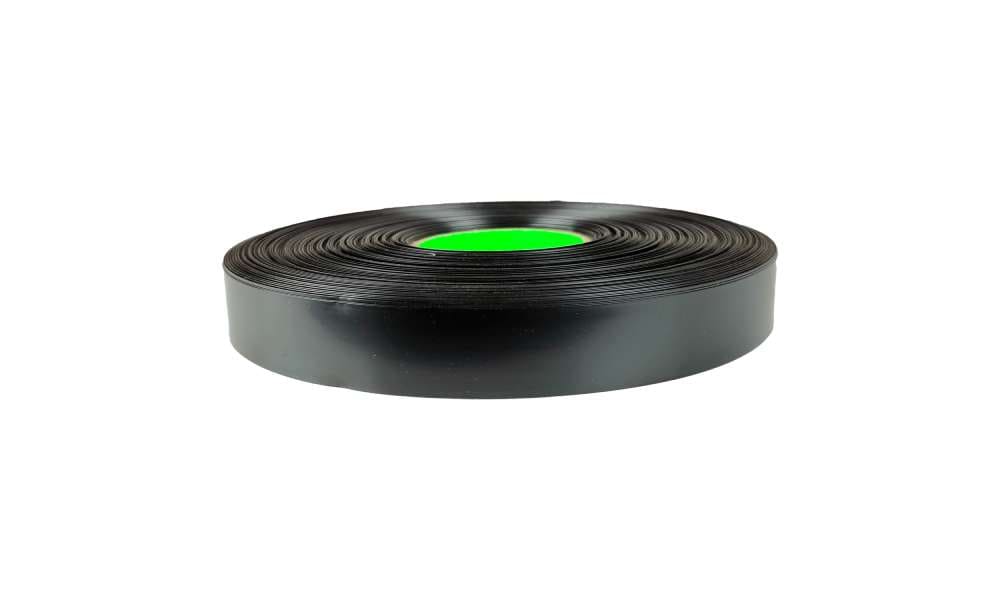
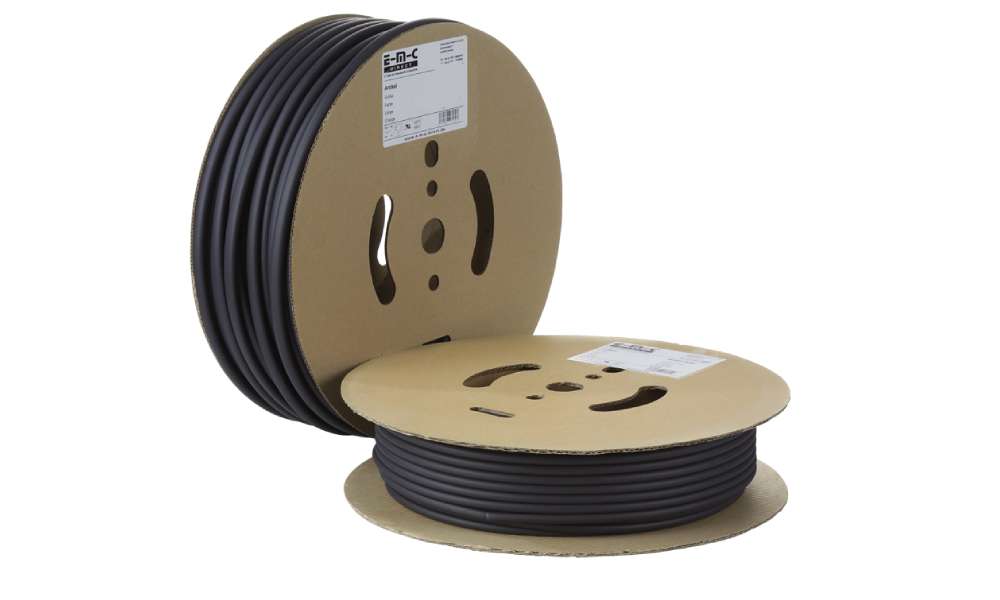
Depending on how much heat-shrink tubing you need, you can purchase it in cut lengths, as a set, in small cartons, on rods, or on industrial rolls.
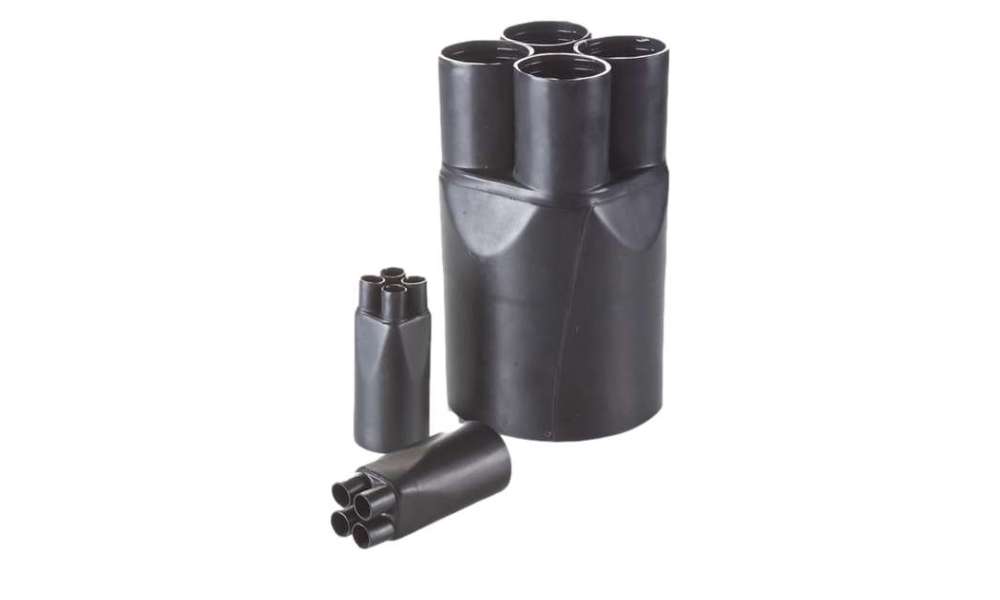
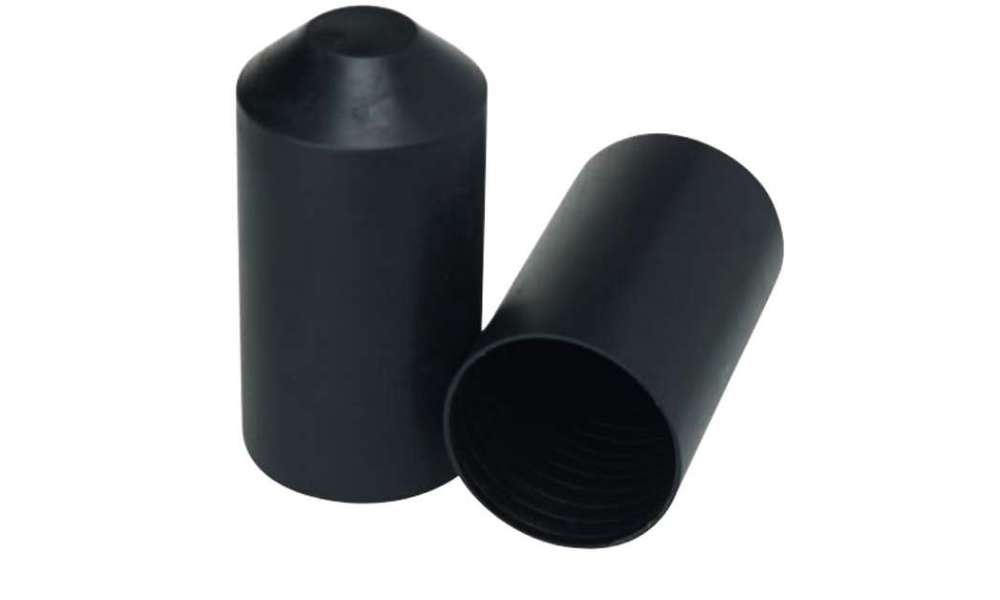
You can also purchase heat-shrink tubing fittings from us, such as end caps or splitter caps. Heat-shrink tubing with special properties, such as PTFE heat-shrink tubing, Viton® heat-shrink tubing, or Kynar® heat-shrink tubing, is also available in our online store.
Heat-Shrink Tubing from EMC-direct – Professional Solutions for Cable Protection and Insulation
Whether in electrical installations, industrial settings, or PV systems—using the right heat-shrink tubing can significantly increase the service life and reliability of your cable connections. EMC-direct helps you implement your projects efficiently and safely—from a single piece of heat-shrink tubing to complete series production.
- A technically oriented product range for professional applications
- High stock availability for predictable projects
- Fast & reliable delivery
- Practical product selection instead of standard off-the-shelf items
Rely on professional heat-shrink tubing for reliable cable protection and secure insulation—we offer high-quality products for demanding applications. Choose the right size and shrink rate for your project now.
Do you have any questions about heat-shrink tubing?
What heat source is best for shrinking the tubing?
A heat gun is best because it provides controlled and even heat. Depending on the material, a stationary infrared heater or heat shrink machine may also be a good option. Open flames are technically possible but risky because they can cause localized overheating, scorching, or damage to the electrical insulation. It is crucial to adhere to the temperature ranges specified by the manufacturer.
What types of heat-shrink tubing are available for outdoor use?
For outdoor use, medium- and thick-walled heat-shrink tubing is primarily used, usually made of cross-linked polyolefin. For true sealing, variants with an internal adhesive are often used because they better keep moisture out and tightly enclose irregular transitions. For underground cables, underwater cables, or cables exposed to the elements, heat-shrink sleeves or repair sleeves are also commonly used. Other important factors include an appropriate shrink ratio, UV and temperature resistance, and mechanical durability.
When is a heat-shrink tubing with internal adhesive absolutely necessary?
Heat-shrink tubing with internal adhesive is absolutely necessary when the connection must be permanently sealed against moisture, water, dirt, or corrosion—such as in outdoor applications, for underground cables, or at repair sites subject to heavy stress. The hot-melt adhesive also significantly improves the sealing effect on uneven surfaces. It is usually not necessary for indoor insulation alone, but it is often the technically correct choice for outdoor applications critical to safety or maintenance.
Haben Sie Fragen?
Wir sind persönlich für Sie da – Montag bis Freitag von 7:30 bis 16:30 Uhr.
Alternativ nutzen Sie gerne unser Anfrageformular.